Monobenzone Cream
20% & 40%FDA-Approved · Ships Worldwide via UPS & FedEx
Monobenzone (MBEH) is the most potent depigmenting agent, used exclusively for permanent depigmentation in vitiligo patients. Available in two clinical strengths with fast worldwide delivery.
✅ I've personally used this cream. Have questions about my experience?
Two Clinical Strengths Available
Both formulations contain pharmaceutical-grade monobenzone — the FDA-approved active ingredient for permanent depigmentation in vitiligo patients. Worldwide shipping via UPS & FedEx.
 20% Standard


Our Monobenzone Cream
Pharmaceutical-grade monobenzone in two clinical strengths — the only FDA-approved active ingredient for permanent vitiligo depigmentation.

About Monobenzone Therapy
Monobenzone (MBEH) has been FDA-approved since 1952. Here is what peer-reviewed clinical research says about its use in vitiligo treatment. Read full medical study →
FDA-Approved Since 1952
Monobenzone is the only FDA-approved treatment for permanent depigmentation of extensive vitiligo — approved by the US Food and Drug Administration since 1952.
Most Potent Depigmenting Agent
According to published clinical research, monobenzone is the most potent depigmenting agent available. Indicated when vitiligo affects more than 50% of the body surface.
Clinically Proven Results
A peer-reviewed case study published in J Clin Aesthet Dermatol documented excellent depigmentation results with monobenzone 20%, confirmed stable at 3-year follow-up.
💊 How Monobenzone Works
Monobenzone causes free-radical formation in the skin that destroys melanocytes — the pigment-producing cells. It also interferes with tyrosinase activity, the enzyme responsible for melanin production.
The result is gradual, permanent lightening of treated skin to match the depigmented vitiligo patches. Effects are permanent and irreversible.
⏱️ Treatment Timeline
mo
First visible depigmentation results begin to appear with twice-daily application
mo
Clinical case showed extremely satisfactory depigmentation matching vitiligo patches
yr
3-year follow-up confirmed sustained and permanent depigmentation
⚕️ Medical Notice: Monobenzone cream is strictly indicated for vitiligo patients only. Effects are permanent and irreversible. Always use under the supervision of a qualified dermatologist. Not for cosmetic skin lightening. Read full clinical study →
Real Patient Results
Monobenzone cream depigmentation results from real vitiligo patients worldwide. Results shown are from monobenzone therapy under dermatological supervision.


Achieve These Results
Order monobenzone cream 20% or 40% with worldwide shipping to USA, UK, Europe, Saudi Arabia, UAE, Gulf and more.
⚕️ Results shown are from monobenzone therapy under dermatological supervision. Individual results vary. Not for cosmetic use. Ships to USA, UK, Europe, Saudi Arabia, UAE, Kuwait, Gulf & worldwide.
Authentic Product Images
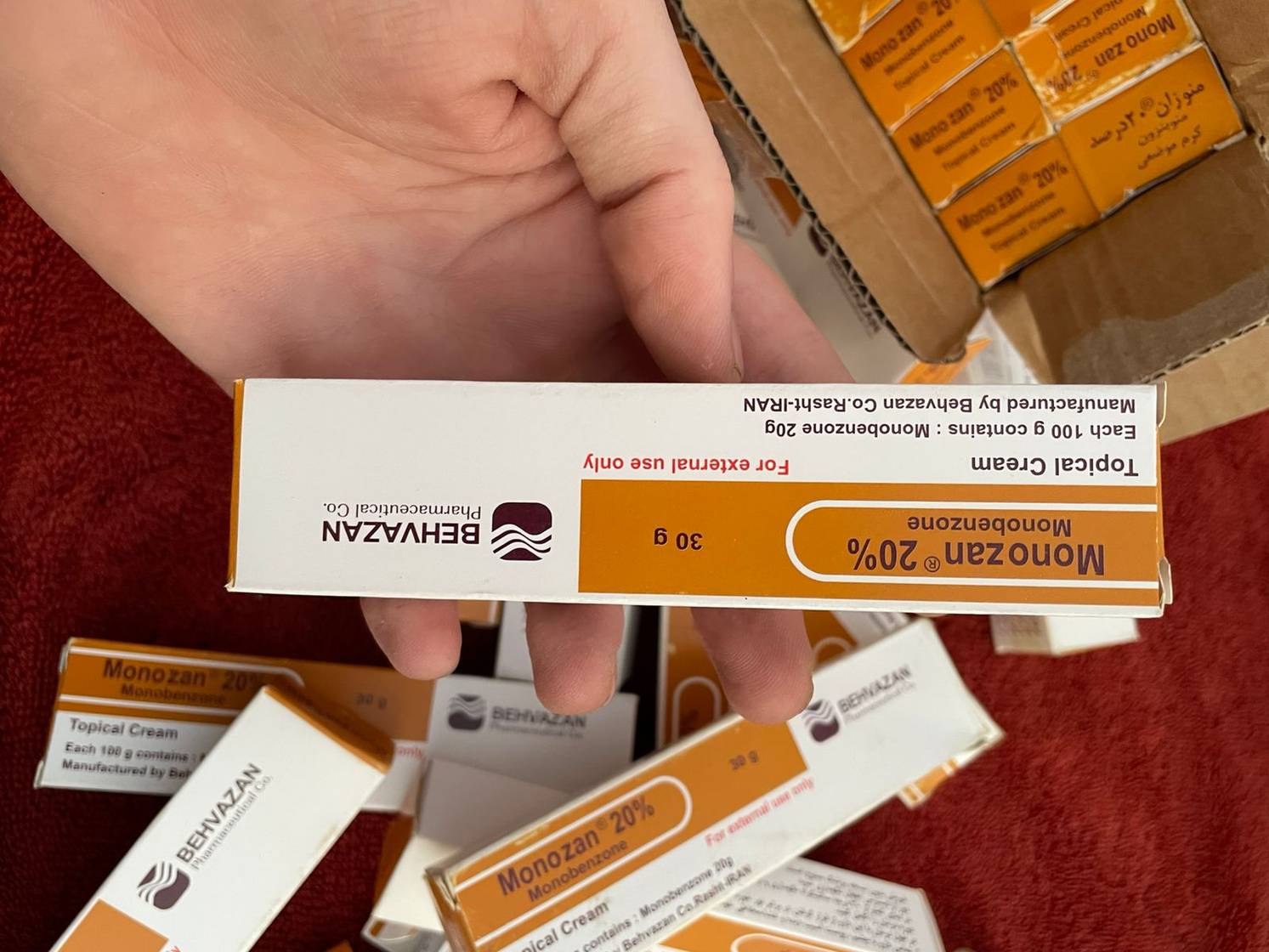
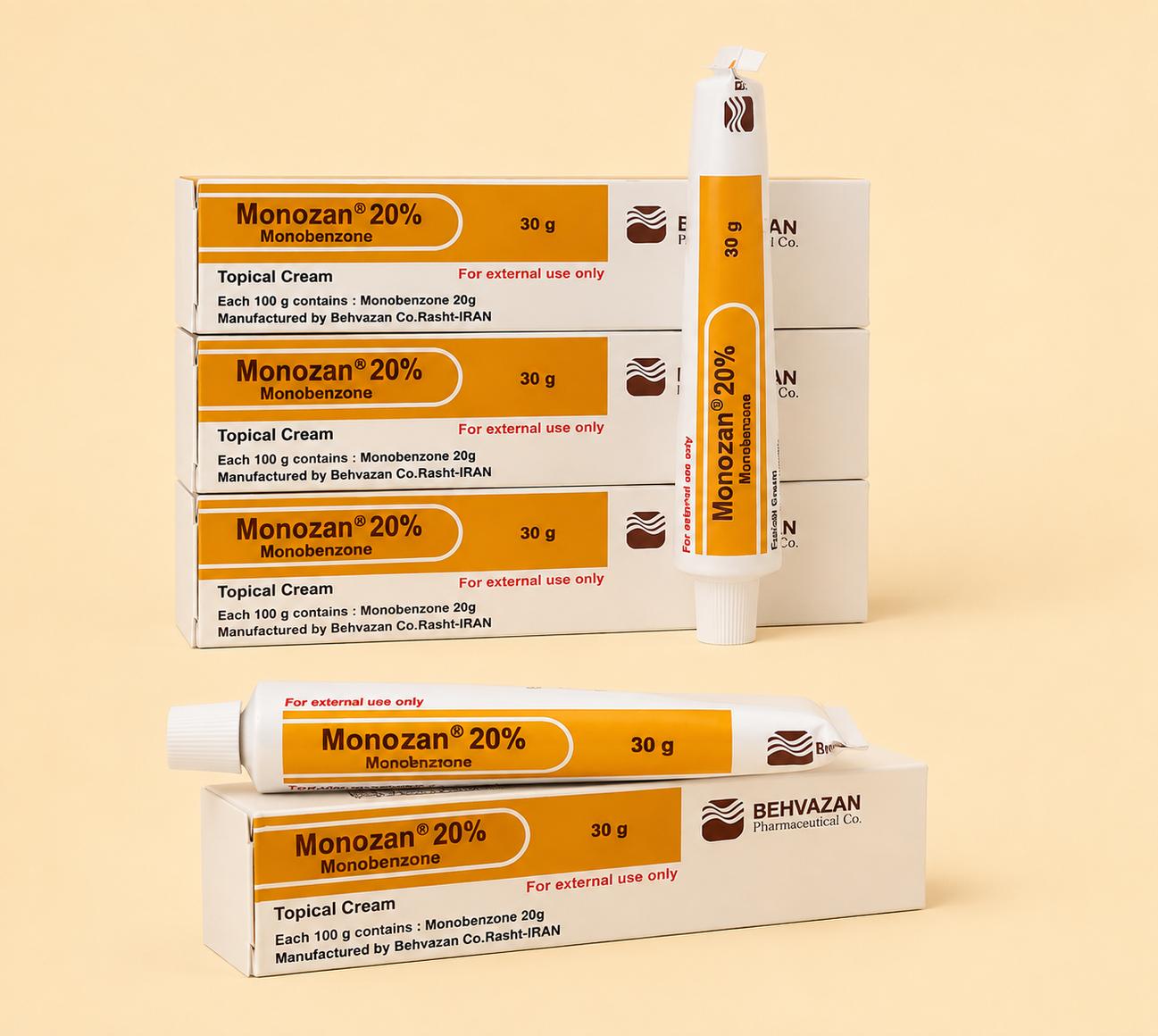
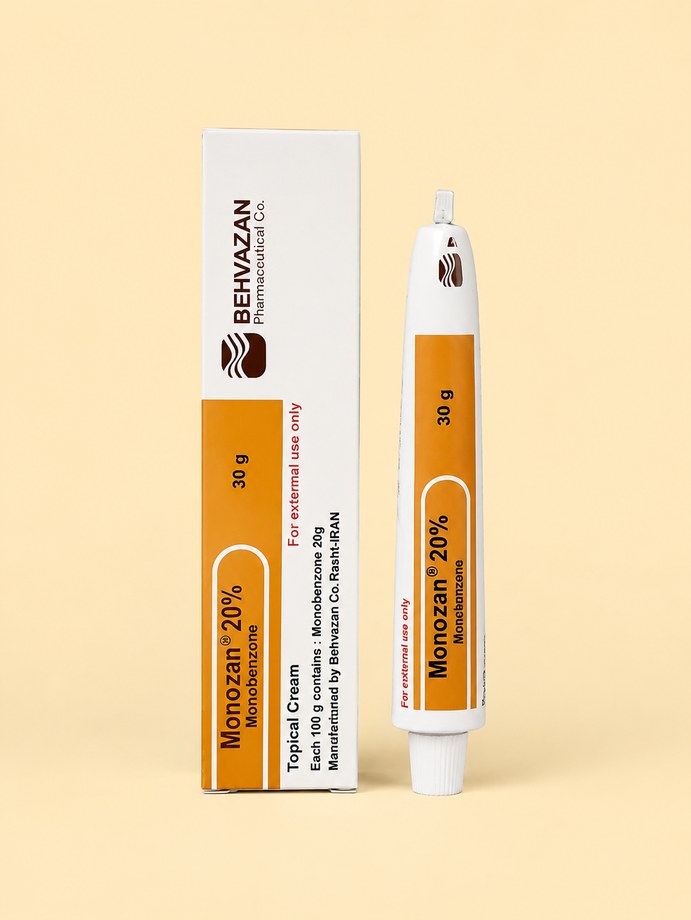
Real stock photos — Behvazan Pharmaceutical Co., Rasht, Iran. In stock and ready to ship worldwide.


✅ In stock & ready to ship · Behvazan Pharmaceutical Co., Rasht–Iran · Ships via UPS & FedEx
We Ship to 4 Regions
Fast, reliable and discreet shipping via UPS and FedEx. Monobenzone cream delivered to your door worldwide.
North America
USA and Canada. Express & standard delivery. Fully tracked with documentation.
5–10 daysUK & Europe
United Kingdom, Germany, France, Netherlands, Italy, Spain and all EU countries.
7–12 daysGulf Region
Saudi Arabia, UAE, Kuwait, Oman, Qatar and Bahrain. Arabic invoice available.
3–7 daysRest of World
Australia, Asia, Africa and more. Contact us to confirm delivery to your country.
On RequestProof of Delivery
Real UPS tracking confirmations from recent orders. Customer names and tracking numbers are redacted for privacy.


Contact Us
WhatsApp or email us for pricing, MOQ, and shipping rates to your country. We respond within 24 hours.
Reach Us Directly
Inquiries welcome from patients, pharmacies, clinics and distributors worldwide. Mention product strength, country, and quantity for fastest reply.
Send an Inquiry
Monobenzone Cream — Complete Information
Buy Monobenzone Cream 20% Online
Monobenzone cream 20% is available to buy online at monobenzone.shop with worldwide shipping to USA, UK, Europe, Saudi Arabia, UAE, Kuwait, Oman, Qatar, Bahrain and more. We ship via UPS and FedEx. Monobenzone 20% is the standard starting strength for vitiligo depigmentation therapy and contains the same active ingredient as the well-known brand Benoquin. Read our full guide to buying monobenzone cream online for a step-by-step walkthrough.
Buy Monobenzone Cream 40% Online
Monobenzone cream 40% is a higher-strength formulation for accelerated depigmentation in vitiligo patients. This concentration is not available in the original Benoquin brand — making our 40% monobenzone cream an exclusive option for patients requiring stronger therapy under dermatological supervision. Buy monobenzone 40% online with fast worldwide delivery.
Monobenzone vs Benoquin — What is the Difference?
Benoquin is a well-known brand name for monobenzone 20% cream, FDA-approved since 1952 for permanent depigmentation of extensive vitiligo. The active ingredient in Benoquin is monobenzone (monobenzyl ether of hydroquinone). Our monobenzone cream contains this exact same pharmaceutical-grade active ingredient. Benoquin has been discontinued, making monobenzone cream the best and most accessible alternative for patients searching for Benoquin online. Our monobenzone cream is available in both 20% (equivalent to Benoquin) and 40% (higher strength).
Monobenzone Cream for Vitiligo — Clinical Evidence
According to peer-reviewed research published in the Journal of Clinical and Aesthetic Dermatology (PMCID: PMC3533321), monobenzone (MBEH) is the most potent depigmenting agent for vitiligo and has been FDA-approved since 1952. The clinical study documented successful permanent depigmentation in a patient with extensive vitiligo using monobenzone 20% cream, with results confirmed stable at 3-year follow-up. Monobenzone is indicated when vitiligo affects more than 50% of the body surface.
Where to Buy Monobenzone in USA, UK, Europe and Gulf
You can buy monobenzone cream online from monobenzone.shop with fast international shipping. We deliver monobenzone cream to the United States, United Kingdom, Germany, France, Netherlands, Italy, Spain, Saudi Arabia, UAE, Kuwait, Oman, Qatar, Bahrain and many more countries via UPS Express and FedEx International. Both retail and bulk orders are welcome. Contact us on WhatsApp for pricing and availability.
Monobenzone Cream Brand Names
Monobenzone cream is sold under various brand names worldwide. Our monobenzone cream is manufactured by Behvazan Pharmaceutical Co. (Rasht, Iran) and is also known by brand names such as:
Benoquin, Benoquik, Monozan, Albaquin, Depigman, Pigmex, Leucodinine, Agerite, Carmifal — all contain monobenzone as the active depigmenting ingredient. Our product is pharmaceutical-grade and available with full documentation.
Sources: PMC3533321 — J Clin Aesthet Dermatol 2012 · PubMed 23277803 · FDA.gov · PubChem — Monobenzone
Buy Monobenzone Cream Online — Worldwide Delivery
Looking to buy monobenzone online? Monobenzone.shop is a trusted international supplier with monobenzone cream for sale in 20% and 40% strengths. Our cream is pharmaceutical-grade — the best choice for anyone searching for a genuine benoquin cream buy online option or an original benoquin supplier. We supply monozan monobenzone cream by Behvazan Pharmaceutical Co. at the most affordable monobenzone 20 cream price available online.
Whether you need the best skin depigmentation cream or a permanent depigmentation cream for extensive vitiligo, monobenzone is the only FDA-approved solution. We offer monobenzone worldwide shipping via UPS and FedEx — buy monobenzone USA, buy monobenzone UK, Europe, Saudi Arabia, UAE and Gulf countries. Even those looking for cheap monobenzone cream will find competitive pricing from just $12. We also supply full body depigmentation cream in bulk for clinics and distributors.
Many patients ask: is monobenzone safe? Yes — FDA-approved since 1952. Check our monobenzone before and after results above. The monobenzone results timeline shows first results in 1–4 months. Learn how to use monobenzone cream and understand monobenzone side effects in our FAQ. Still wondering where to buy benoquin? Since Benoquin is discontinued, our monobenzone cream is the best alternative — monobenzone for vitiligo depigmentation worldwide.
All Pages & Resources
Browse our complete guide to monobenzone cream, country shipping pages, blog articles and FAQ